Sevilla - Andalucia, Travel Guide
Why Seville Should Be on Your Spain Itinerary
We’re in Andalusia, southern Spain. Days here are made for wandering through orange tree-lined squares, discovering beautiful old neighborhoods, catching flamenco shows and deciding which historic tapas bar to try next.
It wasn’t just the architecture or the sunshine that made me fall in love with Seville. It was the feeling of being part of something special.
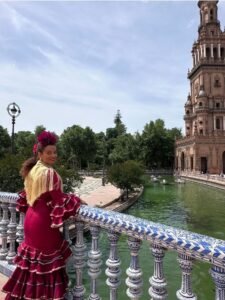
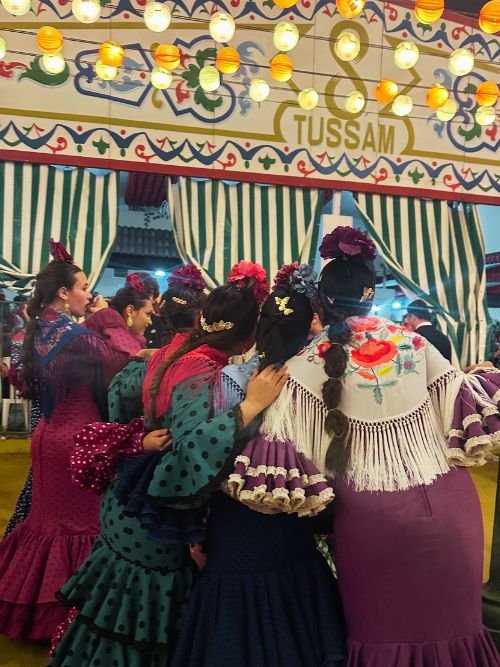
Experiencing the Feria de Abril made me understand just how proud Sevillanos are of their traditions. Here, culture doesn’t feel like something performed for visitors. It feels lived, celebrated and deeply rooted in everyday life.
Add the warmth of the locals, the energy in the streets and, of course, the food — madre mía! — and it’s easy to understand why Seville captured my heart.
And Seville isn’t just a destination on its own. It’s also a fantastic base for exploring some of southern Spain’s most beautiful places.
When Is the Best Time to Visit Seville?
Spring: My Favorite Time
Spring is probably the best time to visit Seville if you want pleasant sightseeing temperatures, blooming orange trees and the city’s famous celebrations.
March to May is ideal for exploring on foot, enjoying outdoor terraces and experiencing the atmosphere around the Feria de Abril.
Do & Don's
Summer: Beautiful but Very Hot
June to August can be extremely hot, particularly during the afternoon. I would personally avoid planning long sightseeing days in the middle of summer.
If you do visit, start your day early, take a long lunch break and save your outdoor exploring for the evening.
Autumn and Winter
September and October offer a great balance between warm weather and fewer summer crowds.
Winter is also worth considering. Temperatures are generally mild, prices can be lower and you can explore the city without the intense heat.
7 Facts You Need to Know Before You Go
1. Seville can get seriously hot
Summer temperatures can become extreme, so plan sightseeing around the heat. Spring and autumn are much more comfortable for walking.
2. Seville Cathedral is enormous
The Cathedral is officially the largest Gothic cathedral in the world, and the tomb of Christopher Columbus is inside.
3. Flamenco is part of Seville’s identity
Seville has played an important role in the history and development of flamenco. If you visit, seeing a live performance is one of the experiences I wouldn’t skip.
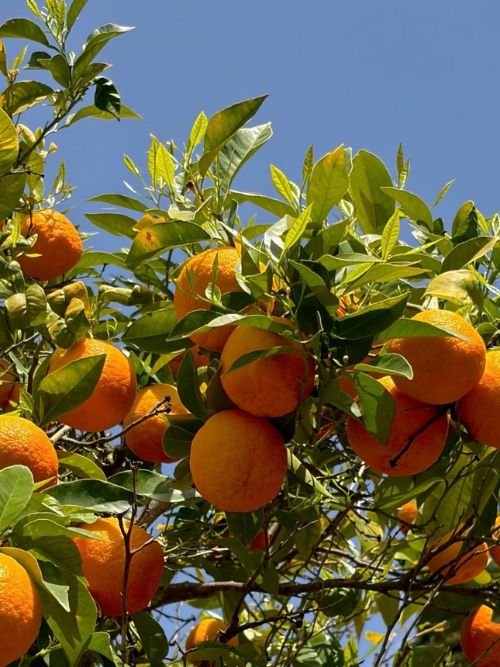
4. Orange trees are everywhere
One of the things you’ll notice immediately is the abundance of bitter orange trees throughout the city. They are one of Seville’s most recognizable features.
5. The Royal Alcázar is still a royal residence
The Upper Chambers of the Alcázar are still the official residence of the Spanish King and Queen when they visit Seville.
6. Seville is a natural movie set
Its architecture has attracted film and television productions, including Game of Thrones and Star Wars.
7. The Guadalquivir is part of the city’s identity
The Guadalquivir River runs directly through Seville, creating some of my favorite places for an evening walk, especially around El Arenal. it to the Atlantic Ocean.
Local Tips for First-Timers in Seville
1. Rent a bike
Rent a bike and explore like a local. Seville has one of the best cycling networks in Spain, with dedicated bike lanes throughout the city.
2. Start with a free walking tour
It’s the perfect introduction to Seville’s fascinating history, architecture, and local traditions. Afterwards, you’ll have a much better understanding of the city and know which areas you’d like to revisit.
3. Don’t just stay in the historic centre
Take your time to explore Seville’s different neighbourhoods, each with its own character:
- Santa Cruz – the oldest quarter in Seville, the historic heart of the city, full of narrow streets, hidden plazas, and orange trees.
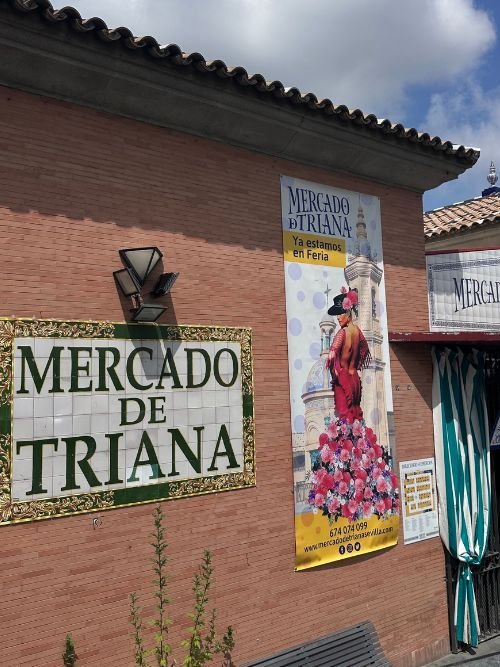
- Triana – Seville’s most authentic neighbourhood, famous for flamenco, ceramics, local tapas bars and don’t miss the Mercado here!
- El Arenal – home to the bullring, riverside walks, and lively nightlife.
- La Macarena – a more local and traditional area, known for its markets, churches and relaxed atmosphere.
- Alameda de Hércules – the city’s trendy district, packed with cafés, restaurants and bars.
- Los Remedios – a residential neighbourhood that comes alive during the Feria de Abril.
My Favorite Places in Sevilla
These are the places and experiences that made my trip special, not simply the attractions that appear on every “Top 10” list.
I’ve broken them into three categories so you can pick based on your mood and budget
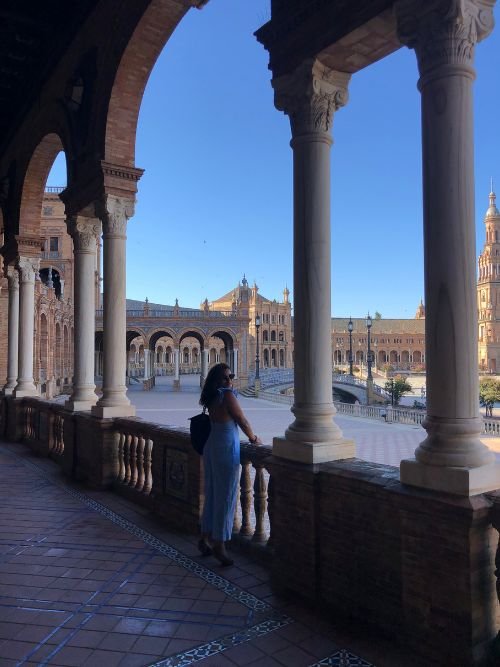
Plaza de España
One of the most spectacular landmarks in Seville.
Built for the 1929 Ibero-American Exposition, its architecture, colorful ceramic tiles and canal make it one of the city’s most beautiful places.
Take your time here, then walk through María Luisa Park nearby.
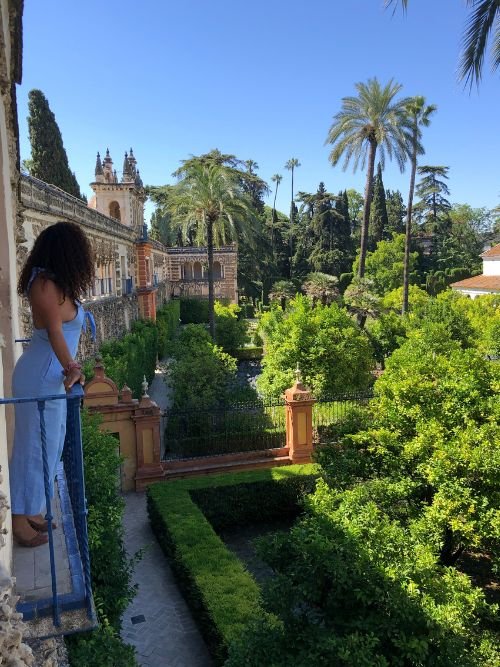
Real Alcázar
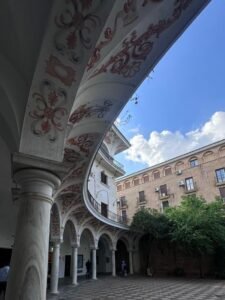
The Royal Alcázar is a breathtaking combination of palaces, gardens and architectural styles.
Its history stretches across centuries, with strong Islamic, Mudéjar and Renaissance influences.
My tip: book your visit in advance, especially during peak season.
Triana
If you want to experience the soul of Seville, cross the Puente de Isabel II and spend some time in Triana.
Explore the ceramic workshops, walk around the market and stop somewhere for tapas.
ant to experience the soul of Seville, cross the Puente de Isabel II and spend some time in Triana.
Explore the ceramic workshops, walk around the market and stop somewhere for tapas.
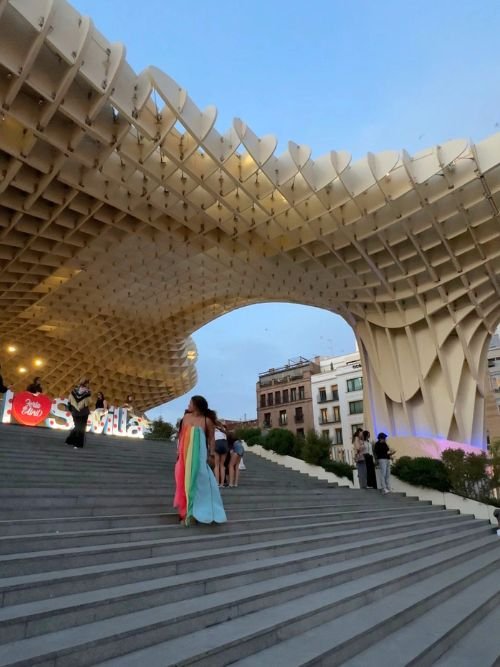
Don’t miss Las Setas (Metropol Parasol), one of Seville’s most striking modern landmarks. Designed by German architect Jürgen Mayer, it is the largest wooden structure in the world and offers some of the best panoramic views of the city. Visit at sunset for a magical experience as the rooftops glow in golden light.
You can take the elevator to the rooftop for around €1.35, making it one of the best-value viewpoints in Seville. From here, you’ll enjoy stunning views ofver the Cathedral and its iconic bell tower, La Giralda.
Hidden Local Gems & Foodie Itinerary
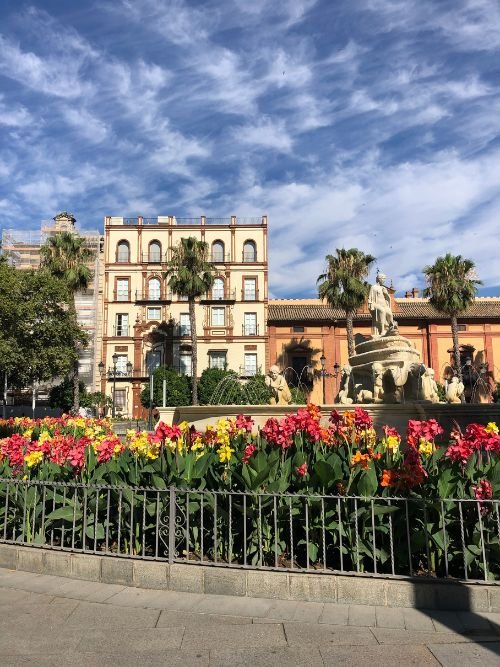
Plaza del Cabildo
The most famous babi guling (suckling pig) in Bali — and for good reason.
Crispy skin, fragrant spiced meat, and a mountain of rice, all for under IDR 60,000.
Go early (it opens at 11am) because they sell out. The original location near Ubud Palace is the best.
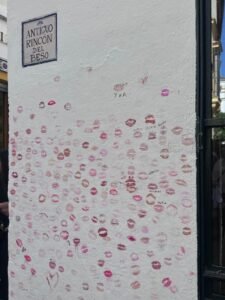
Antiguo Ricon Del Beso
Most tourists head to Tanah Lot or Uluwatu, but Tirta Empul — a holy spring temple where Balinese come to purify themselves — is one of the most genuinely moving places on the island. You can participate in the purification ritual yourself (dress appropriately). Come early morning to avoid the crowds.
Casa Moreno
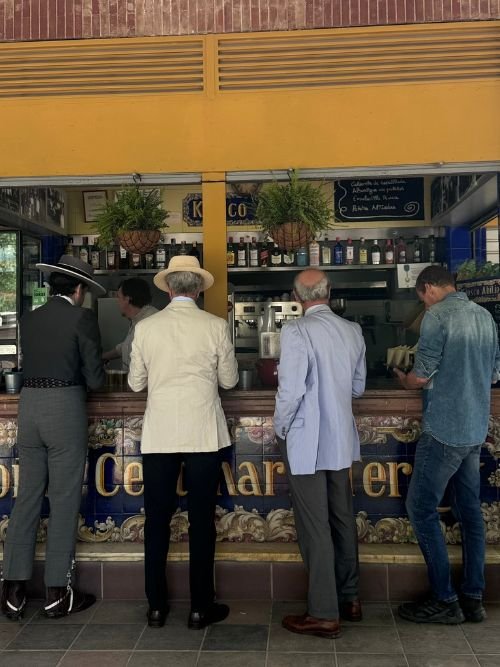
Casa Moreno is one of Seville’s most iconic ultramarinos, the traditional grocery stores that once served as neighborhood social hubs. From the street it looks like a tiny old-fashioned delicatessen packed floor-to-ceiling with cans, cheeses, cured meats, and wine.
What makes it special:
- – Feels like stepping into Seville 50 years ago.
- – Mostly locals rather than tourists.
- – Famous for Montaditos (small sandwiches), cured meats, cheeses, olives, and sherry.
My tip: Go around 1:30–2:00 pm before lunch peaks. Stand at the bar, order a drink, and soak up the atmosphere
Mercado Del Barranco
Mercado del Barranco is the complete opposite experience: a modern gourmet food hall housed inside a historic iron market building beside the Guadalquivir River. The original structure dates to the 19th century and is attributed to the engineering school of Gustave Eiffel, making it an architectural landmark as well as a food destination.
My tip here : Don’t leave without trying the Torrija (Spain’s delicious version of French toast) and the Pistachio Cheesecake – both were absolutely incredible and among my favorite desserts in Seville!
My Personal Things to Do in Seville
1. Take a Cooking Class in Triana
Book a market tour and cooking class with Taller Andaluz de Cocina to experience Andalusian food beyond simply eating it.
Book a cooking class in Seville
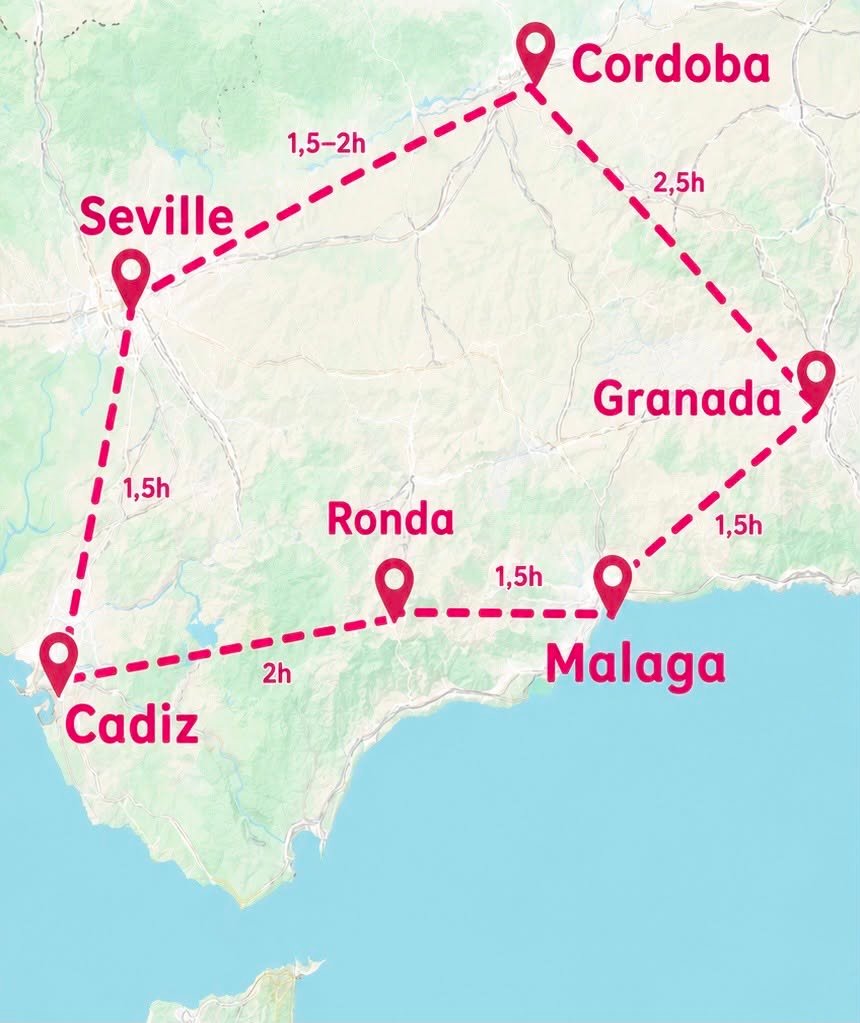
2. Take a Private Tour to Córdoba and Ronda
If you have more time, consider combining Seville with Córdoba and Ronda.
Córdoba is home to the spectacular Mezquita, while Ronda is famous for its dramatic gorge and Puente Nuevo.
3. Watch the Sunset in El Arenal
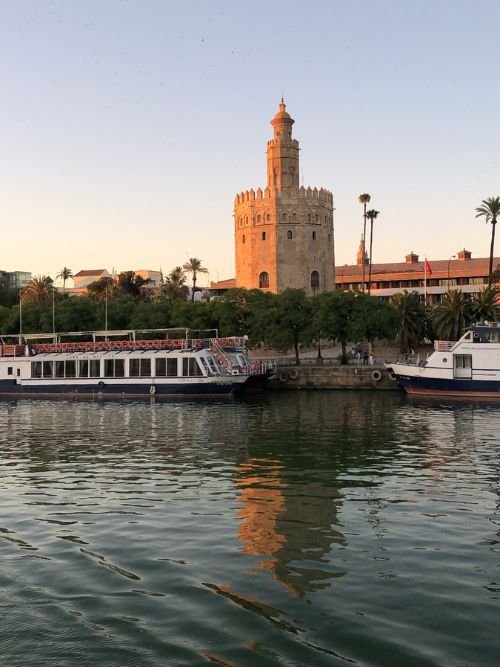
Head towards the Guadalquivir around sunset, grab a drink and enjoy the view of the Torre del Oro.
If you’re lucky, you might even come across an impromptu salsa session.
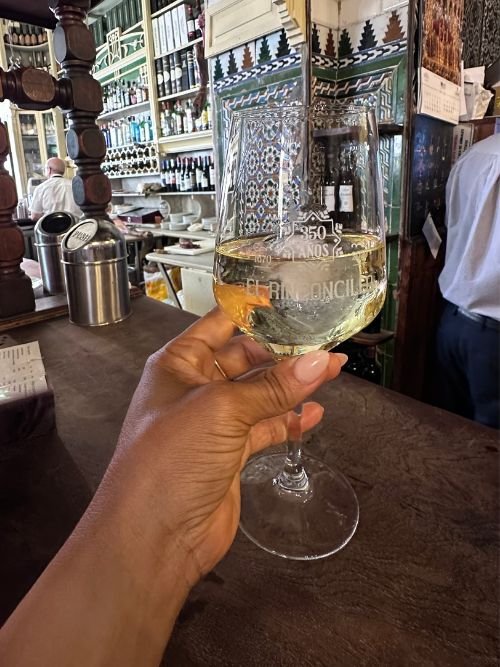
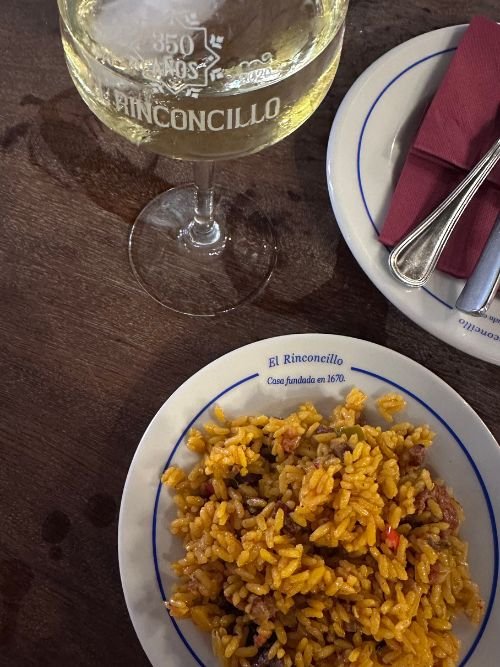
4. Eat Tapas at El Rinconcillo
El Rinconcillo is one of Seville’s historic tapas bars and is a great place to experience the city’s traditional food culture.
And whatever you do, don’t miss the torrijas
My Recommended 3 Day Sevilla Itinerary
1 Day
- – Start early at Plaza de España, then walk through María Luisa Park and Plaza de América.
- – Continue towards Santa Cruz for lunch and tapas.
- – In the afternoon, visit the Royal Alcázar and Seville Cathedral, including La Giralda.
- – Then simply get lost in Santa Cruz.
- -For sunset, head to Las Setas for panoramic views over the city..
Day 2 — Triana & Local Seville
- – Start your morning in Triana
- – Cross the iconic bridge, explore the neighborhood and visit the Triana Ceramic Center.
- – For lunch, head to Mercado de Triana.
- – In the afternoon, visit Casa de Pilatos, then walk along the Guadalquivir.
- – Continue towards Calle Sierpes and Calle Tetuán for some shopping.
- – Finish the day at Alameda de Hércules.
- Insider tip: If you’re in Triana early, stop for a coffee and tostada at La Baronesa
Day 3 — A Different Side of Seville
- – Start at Plaza de Toros de la Maestranza, then walk along Paseo de Colón beside the river.
- -For lunch, head towards Alfalfa, one of my favorite areas for tapas and a lively atmosphere.
- – In the afternoon, visit Palacio de las Dueñas and, if you have time, the Museum of Fine Arts.
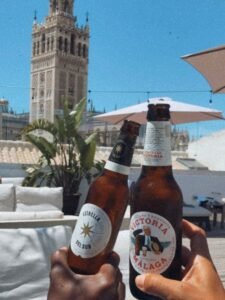
- – End your trip with an authentic flamenco show. Or, if you’d rather keep things relaxed, find a rooftop terrace and watch the city change color at sunset.
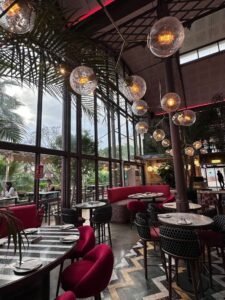
- For me, Pura Vida Terraza was the perfect place to end the day.
Before You Pack Your Bags
for Seville
Choose the right season, but don’t hold too tightly to your itinerary. Seville is full of unexpected moments, so leave room to explore hidden courtyards, lively neighbourhoods and local tapas bars.
Try to plan at least one day at the Feria de Abril, one of Seville’s biggest and most colourful celebrations. It is an unforgettable experience filled with flamenco dresses, horse-drawn carriages, music, dancing and Andalusian traditions.
A little insider tip: If you missed the Feria de Abril this year but are continuing your journey through Andalusia, you can still experience the Feria de Málaga, taking place from 15–22 August 2026.
Buen viaje!